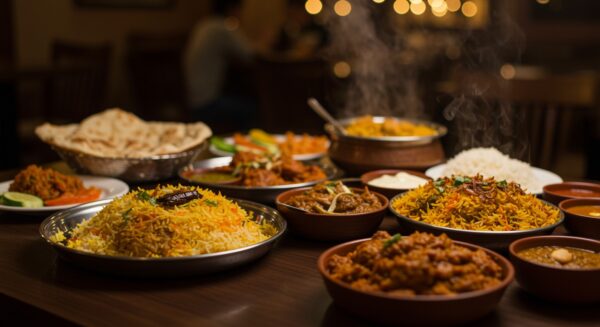
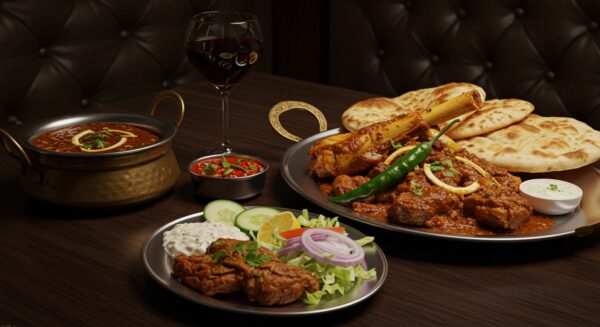
Halal Food Chicago has become one of the most discussed topics among food lovers, critics, and Muslim communities across the city. Every corner of Chicago—from Devon Avenue to downtown—offers restaurants and food trucks advertising themselves as “Halal Certified,” “Authentic Pakistani,” or “Traditional South Asian Cuisine.” But the real question is: are they truly authentic, or are many just capitalizing on the booming halal food trend?
For many diners, halal is not just about the slaughter process—it’s about tradition, cultural identity, a sense of home, and flavors that are passed down through generations. Today, we explore what makes halal food genuinely authentic, why some restaurants fall short, and how you can identify real flavor and heritage when eating out in Chicago.
Chicago’s Growing Halal Food Scene
Over the past decade, Chicago has seen significant growth in South Asian, Middle Eastern, and African communities, each bringing their own rich food traditions. The demand for halal food has exploded, leading restaurants of many cuisines to add “halal options” to their menus to attract customers.
But adding halal meat does not automatically make the food authentic. Authenticity is about:
- Flavor profile
- Cooking techniques
- Spice depth and balance
- Ingredient source and preparation
- Respecting cultural heritage
Sadly, some restaurants use the label “halal” just for marketing, without maintaining cultural integrity.
Authenticity vs. Trend: The Core Difference
There is a major difference between a restaurant that lives its culture versus one that markets it. When food is truly authentic, you can taste the heritage behind every bite. The tenderness of Nihari, the smokiness of BBQ Seekh Kebabs, or the rich creaminess of Makhni chicken cannot be replicated by shortcuts or watered-down recipes.
Many places try to simplify flavors to cater to a broader crowd, especially non-South Asian customers who may prefer milder spices. But in doing so, they dilute the identity that makes halal cuisine special.
Authenticity is about respecting origin—not adjusting it to trends.
Why Some Restaurants Water Down Flavor
There’s a misconception among restaurant owners that reducing spices makes dishes “more appealing” to a larger audience. However, this often results in dishes that lack depth, aroma, and personality. Traditional Pakistani and Indian cuisine is built on slow-cooking, layering spices, and balancing heat, tang, and richness.
When restaurants shortcut these steps to speed up production or reduce costs, the food loses its authenticity.
A Restaurant That Preserves Tradition
Some restaurants in Chicago, however, remain deeply committed to preserving heritage. One example is Shahi Nihari & Chopsticks, located in Villa Park. They are known for slow-cooked gravies, charcoal-infused BBQ, and recipes rooted in Pakistani home-style cooking.
You can learn more about their culinary philosophy and background here: About Shahi Nihari & Chopsticks.
They also offer a full, traditional Pakistani Menu including:
- Nihari (Bone Marrow, Beef & Special)
- Chicken Makhni Handi
- Hyderabadi Biryani
- Mutton and Beef Haleem
- Charcoal BBQ Platters
The Role of Cultural Memory in Taste
Food is not just something we eat—it’s something we remember. For immigrants and diaspora communities, a single bite of Nihari or Haleem can bring them back to childhood, family gatherings, weddings, and festivals. Authentic halal restaurants understand this emotional connection and cook with that memory in mind.
What Makes Halal Food “Authentic”?
Authenticity comes from:
- Uncompromising spice standards
- Time-honored cooking techniques
- Family or regional recipes passed down through generations
- Using halal-certified suppliers who meet Islamic standards
It’s not just “halal meat.” It’s a culinary identity.
Halal Catering and Event Food Standards
The debate around authenticity becomes even more relevant during weddings, corporate events, and family gatherings. Food served in large quantities often suffers in taste and texture if not prepared by experienced halal chefs.
If you are planning an event, proper halal catering is essential. You can explore local catering services here:
Pakistani Catering Services in Chicago →
The Social Experience: More Than Just a Meal
Authentic halal dining is also about environment—warm hospitality, cultural music, real conversation, and shared meal traditions. A place that understands its cultural roots will design its space to feel familiar and welcoming.
For gatherings, celebrations, or community events, look for restaurants with dedicated spaces, such as:
Party Hall & Event Venue Options →
How to Tell if a Halal Restaurant Is Truly Authentic
- The flavors remind you of home or heritage.
- The spices are layered—not flat.
- The restaurant cooks slow, not fast.
- Staff can explain the dish origins.
- The community actively recommends it.
Authenticity is recognized, not just advertised.
Final Thoughts: Authenticity Will Always Matter
In a world where food can easily become commercialized, finding genuine halal cuisine means supporting restaurants that honor culture, history, and real flavor. Authentic halal restaurants don’t just cook food—they preserve identity, memory, and tradition.
If you care about real flavor and real halal standards, choose restaurants that value these roots.
Have questions or planning to book a reservation or event?
Contact Shahi Nihari & Chopsticks to learn more.