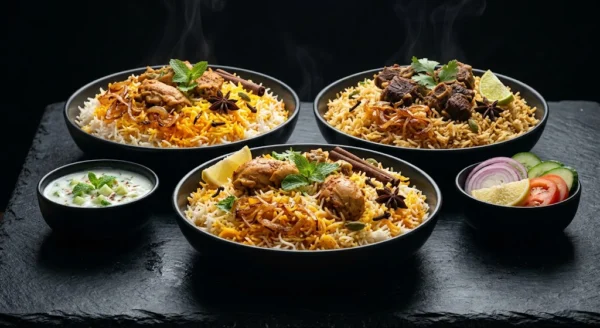
Biryani Rice Benefits: What’s Actually in Your Bowl?
Is biryani healthy? People ask us this question all the time.
The answer depends on the ingredients, portion size, protein, and cooking method. Biryani rice can provide carbohydrates, protein, herbs, and spices in one satisfying meal. However, restaurant biryani can also contain significant calories, fat, and sodium.
So, instead of calling biryani either “healthy” or “unhealthy,” it makes more sense to look at what actually goes into your bowl.
If you’re wondering about biryani rice benefits, here’s what you should know.
Quick Answer: Is Biryani Rice Healthy?
Biryani can fit into a balanced diet when you watch the portion size and consider the ingredients.
A typical chicken or mutton biryani combines:
- Basmati rice for carbohydrates
- Chicken or mutton for protein
- Herbs and aromatic spices
- Cooking oil or ghee
- Onions, ginger, and garlic
Therefore, biryani provides more than rice alone. At the same time, the amount of oil, ghee, salt, and rice can significantly change its nutritional profile.
What’s Actually in a Bowl of Biryani?
Traditional Pakistani biryani starts with basmati rice. The cook then combines or layers it with seasoned meat, aromatics, herbs, spices, and cooking fat.
Each ingredient contributes something different to the final meal.
Let’s look at the main components.
1. Basmati Rice Provides Energy
Basmati rice forms the foundation of most Pakistani biryani.
Like other rice varieties, basmati primarily provides carbohydrates. Your body uses carbohydrates as an important source of energy.
Basmati rice also contains small amounts of B vitamins and other nutrients. However, the exact nutritional value depends on whether the cook uses white or brown basmati rice and how they prepare it.
Some basmati varieties may produce a lower blood-glucose response than certain other white rice varieties. Still, portion size matters.
Therefore, people who search for Is biryani rice healthy should consider the complete meal rather than rice alone.
You can also read our guide on biryani and healthy eating for another look at this popular dish.
2. Chicken or Mutton Adds Protein
Biryani usually combines rice with a protein source.
At Shahi Nihari & Chopsticks, our menu includes both chicken and mutton biryani on selected days.
Protein helps support normal muscle maintenance and repair. It can also make a meal more satisfying.
However, different meats bring different nutritional profiles.
Chicken can provide plenty of protein while staying relatively lean, depending on the cut and preparation. Mutton offers protein as well and can contribute nutrients such as iron and vitamin B12.
If you’re deciding between the two, our Chicken vs Mutton Biryani guide can help you compare them.
3. Biryani Spices Add More Than Flavor
Spices give biryani its distinctive aroma, color, and complexity.
Depending on the recipe, biryani may include ingredients such as:
- Turmeric
- Cinnamon
- Cardamom
- Cloves
- Bay leaves
- Cumin
- Black pepper
Many culinary spices contain naturally occurring plant compounds. Researchers have studied several of these compounds for their antioxidant and other biological properties.
For example, turmeric contains curcumin. Researchers continue to study curcumin for its potential effects on inflammatory pathways.
However, biryani should remain food—not medicine. The amount of an individual spice in one serving does not turn biryani into a treatment for any health condition.
Still, those spices contribute much more than aroma. They form an important part of the dish.
4. Ginger, Garlic and Herbs Add Flavor
A good biryani also gets flavor from aromatics and herbs.
Recipes commonly use ginger, garlic, onions, cilantro, and mint. These ingredients add freshness and complexity without relying entirely on salt or fat for flavor.
Fresh herbs also contribute small amounts of micronutrients and plant compounds.
More importantly from a dining perspective, they balance the richness of the meat, rice, and spices.
That balance helps explain why properly prepared biryani tastes complex rather than simply spicy.
5. Biryani Can Be a Complete, Satisfying Meal
One of the biggest biryani rice benefits comes from the combination of ingredients.
Instead of eating plain rice, you get carbohydrates together with protein and cooking ingredients that add flavor and texture.
Pair biryani with raita or a fresh salad, and you can add more variety to the meal.
This combination also makes biryani convenient. You don’t necessarily need several separate dishes to create a satisfying lunch or dinner.
If you’re looking for Pakistani biryani in Chicago, understanding these ingredients can also help you decide which style you want to try.
Where Biryani Can Lose Nutritional Points
Biryani has useful ingredients, but that doesn’t automatically make every serving nutritionally balanced.
Three factors matter in particular.
Oil and Ghee Can Increase Calories
Oil or ghee adds richness and helps carry the spices.
However, cooking fats are calorie-dense. Therefore, using more oil or ghee increases the total calories in the dish.
Large Portions Add Up Quickly
Portion size can make a major difference.
A restaurant-sized serving may contain much more rice and meat than a person would serve at home. As a result, calories can increase quickly.
Rather than labeling biryani as “bad,” consider how much you eat and what you pair with it.
Sodium Can Be High
Restaurant dishes can contain substantial sodium, and biryani is no exception.
Salt levels vary considerably between recipes and restaurants. Therefore, anyone who needs to limit sodium should consider portion size and ask the restaurant for relevant nutrition information when available.
How to Enjoy Biryani as Part of a Balanced Meal
You don’t have to stop eating biryani to make thoughtful food choices.
Instead, focus on balance.
Choose a Reasonable Portion
Start with a moderate serving. Then, give yourself time before deciding whether you need more.
Add Salad
A fresh salad adds vegetables and creates contrast with the rich rice and meat.
Pair Biryani With Raita
Raita combines yogurt with herbs, vegetables, or seasonings depending on the recipe.
It adds a cool contrast to biryani’s spices. Yogurt can also contribute protein and calcium.
Choose Your Protein Based on Your Preferences
Chicken may appeal to diners who want a leaner option, depending on preparation.
Meanwhile, mutton delivers a richer flavor and provides nutrients such as protein, iron, and vitamin B12.
Neither choice automatically makes the entire meal healthy or unhealthy. The complete portion and preparation matter more.
Chicken Biryani vs Mutton Biryani: Which Should You Choose?
Taste may ultimately make the decision for you.
Choose chicken biryani when you want a familiar protein and a potentially leaner option.
Choose mutton biryani when you prefer a richer meat flavor.
At Shahi Nihari & Chopsticks, our current menu features Chicken Biryani Monday through Thursday and Mutton Biryani Friday through Sunday.
You can explore our Shahi Nihari & Chopsticks menu for more Pakistani dishes.
Is Biryani Better Than Plain Rice?
That depends on what you mean by “better.”
Plain rice offers carbohydrates but usually contains fewer added fats and less sodium. Biryani combines rice with protein, spices, aromatics, and cooking fat.
Therefore, biryani can offer greater variety in a single dish. However, it can also contain more calories, fat, and sodium than plain rice.
The better choice depends on your nutritional needs, portion, and overall diet.
Why Pakistani Biryani Remains So Popular
Nutrition only explains part of biryani’s appeal.
People love biryani because it combines aroma, texture, spice, rice, and meat in a single dish. Every spoonful can deliver a slightly different balance.
For Pakistani families, biryani also carries cultural significance. People serve it at family dinners, celebrations, weddings, parties, and community events.
That combination of flavor and tradition helps explain why searches for Pakistani biryani near me, chicken biryani near me, and mutton biryani near me remain important for Pakistani restaurants.
Where to Find Pakistani Biryani in Villa Park
If you’re searching for Pakistani biryani near me in Villa Park or the Chicago suburbs, Shahi Nihari & Chopsticks offers both Pakistani food and Indo-Chinese selections.
Our restaurant uses HFSAA Certified Halal meat, an important consideration for customers looking for halal Pakistani food.
Before visiting, explore our guide to the best biryani in Chicago and learn more about different biryani styles.
Frequently Asked Questions About Biryani Rice Benefits
Is biryani rice healthy?
Biryani rice can form part of a balanced diet. Basmati rice provides carbohydrates, while a complete biryani can also include protein, herbs, spices, and cooking fats. Portion size and preparation make a major difference.
What are the benefits of eating biryani?
Biryani can provide carbohydrates for energy and protein from meat. Its herbs and spices also contain naturally occurring plant compounds. However, the nutritional profile depends on the recipe and serving size.
Is basmati rice healthier than regular white rice?
The answer depends on the type of rice and serving size. Some basmati varieties may produce a lower glycemic response than certain other white rice varieties. However, both remain carbohydrate-rich foods.
Is biryani good for weight loss?
Biryani can be calorie-dense, especially when a recipe uses generous amounts of rice, oil, or ghee. Someone managing calorie intake may choose a smaller serving and pair it with salad or another vegetable-based side.
Is chicken biryani healthier than mutton biryani?
Chicken biryani may contain less fat depending on the cut of chicken and preparation method. Mutton provides protein, iron, and vitamin B12. Portion size and cooking method still matter for both.
What are the benefits of biryani spices?
Biryani spices such as turmeric, cinnamon, cardamom, and cloves contain naturally occurring plant compounds. Researchers have studied many of these compounds for antioxidant and other biological properties.
What should I eat with biryani?
Raita and salad make popular biryani pairings. They add contrasting textures and flavors while increasing the variety of foods in the meal.
The Bottom Line: Is Biryani Good for You?
Biryani doesn’t need a simple “healthy” or “unhealthy” label.
A bowl can contain basmati rice, protein, herbs, aromatics, and a variety of spices. At the same time, larger portions and generous amounts of oil, ghee, or salt can substantially change its nutritional profile.
Therefore, the best approach is balance.
Enjoy a reasonable portion. Pair it with raita or salad. Most importantly, enjoy biryani for what it is: a flavorful Pakistani dish that can fit into many eating patterns.
If you’re searching for Pakistani biryani near me or biryani in Villa Park, explore Shahi Nihari & Chopsticks and discover our chicken and mutton biryani alongside our wider Pakistani menu.
This article provides general food and nutrition information only. It does not provide medical or individualized dietary advice. People managing a medical condition or following a prescribed diet should discuss their individual needs with an appropriate healthcare professional.