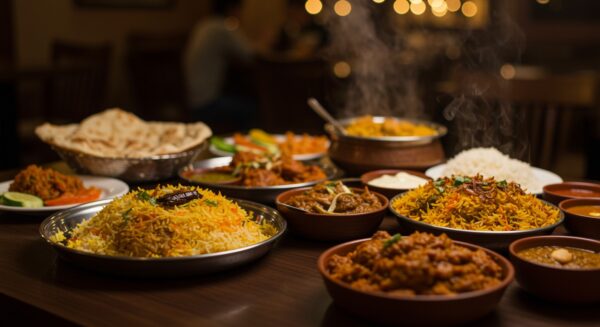
Is Nihari spicy? Nihari is a richly spiced and aromatic dish, but it does not have to be extremely hot. Its flavor comes from a combination of meat, slow-cooked gravy, warming spices, and fresh garnishes rather than chili heat alone. The actual Nihari spice level can vary depending on the recipe and how much chili a cook uses.
For first-time diners, that distinction matters. A dish can contain many spices without creating an overwhelming burning sensation. Nihari focuses on depth, aroma, richness, and savory flavor, while diners can often increase the heat with fresh green chilies.
This beginner’s guide explains how spicy Nihari is, what gives it its flavor, which garnishes affect the heat, and what to expect when ordering Pakistani Nihari for the first time.
Is Nihari Spicy?
Nihari can be moderately spicy, but its defining characteristic is rich, aromatic flavor rather than extreme heat.
Recipes differ, so one bowl may taste milder than another. Chili contributes heat, while other seasonings create aroma, warmth, and complexity without necessarily making the dish hotter.
Fresh green chilies can also increase the heat after serving. Therefore, first-time diners who prefer milder food can skip extra chilies and enjoy the meat, gravy, naan, ginger, and lemon first.
How Spicy Is Nihari?
There is no universal heat level for Nihari. Family recipes, regional preferences, restaurants, and individual cooks can all use different amounts and combinations of seasonings.
For that reason, it is better to think of Nihari as deeply spiced rather than automatically extremely hot.
Someone who regularly eats Pakistani or other South Asian food may consider many versions manageable. A diner who rarely eats chili may experience the same dish as much hotter.
What Does Nihari Taste Like?
Nihari typically has a rich, savory, aromatic, warm, and deeply seasoned taste. Tender meat and gravy create its hearty foundation, while spices provide layers of flavor.
Fresh garnishes can then change individual bites. Ginger adds sharpness, lemon adds acidity, and green chilies increase heat.
For a complete flavor guide, read What Does Nihari Taste Like?.
Does Spicy Mean the Same Thing as Spiced?
No. This distinction helps first-time diners understand Nihari.
Spicy can describe food that produces noticeable chili heat. Spiced describes food seasoned with spices that create aroma and flavor.
Nihari can be highly seasoned and aromatic without being unbearably hot. Its spice mixture contributes much more than chili heat alone.
What Spices Give Nihari Its Flavor?
Nihari recipes vary, but cooks may use a combination of warming and aromatic spices to build its characteristic flavor. Depending on the recipe, the seasoning can include ingredients such as chili, cumin, coriander, black pepper, ginger, and other aromatic spices.
No single ingredient defines every version. The overall flavor develops when the meat, gravy, spices, and cooking process work together.
This layered seasoning helps explain why Nihari can taste intensely flavorful even when the chili heat remains moderate.
Does Red Chili Make Nihari Hot?
Chili can contribute significantly to the heat level of Nihari. However, the amount varies from one preparation to another.
More chili generally produces greater heat, while a more restrained amount can create a milder bowl without removing the dish’s aromatic character.
This flexibility means that two bowls of Nihari can have similar richness while producing noticeably different levels of heat.
Why Are Green Chilies Served With Nihari?
Fresh green chilies allow diners to add extra heat according to personal preference.
This works particularly well when several people share a meal. Someone who loves spicy food can add chilies, while another diner can leave them off.
If you are trying Nihari for the first time, taste the dish before adding green chilies. You can always increase the heat afterward.
Does Ginger Make Nihari Spicier?
Fresh ginger adds a sharp, aromatic sensation, but it differs from the heat produced by chili peppers.
Thin strips of ginger can brighten a rich bowl of Nihari and add contrast to the meat and gravy.
For first-time diners, tasting a bite with and without fresh ginger provides an easy way to understand what this traditional garnish contributes.
Does Lemon Make Nihari Less Spicy?
Lemon does not remove chili from Nihari, but its acidity can brighten the dish and balance some of its richness.
A small squeeze of lemon can make a rich bite feel fresher. Many diners enjoy that contrast alongside warm naan and fresh ginger.
Start with a small amount so that the lemon complements rather than dominates the gravy.
Can You Order Mild Nihari?
The answer depends on how a restaurant prepares its Nihari.
Because restaurants often prepare Nihari gravy in advance, they may not always be able to change the base spice level for an individual order. If you have a low tolerance for chili, ask the restaurant about the current preparation before ordering.
You can also avoid adding fresh green chilies at the table.
Is Nihari Hotter Than Biryani?
There is no universal answer because both Nihari and biryani vary considerably by recipe.
Some biryanis can have a noticeable chili kick, while some versions of Nihari emphasize aromatic richness over intense heat. Other preparations may reverse that experience.
Instead of choosing based only on which dish is “hotter,” first-time diners should consider texture as well. Nihari offers meat in rich gravy, while biryani centers on seasoned rice and meat.
Is Nihari Spicier Than Karahi?
Again, the recipe determines the heat level.
Nihari and karahi also create different eating experiences. Nihari develops around slow-cooked meat and gravy, while karahi has its own cooking style and masala profile.
If you want to understand another popular Pakistani dish, read our Karahi vs Handi guide.
Is Nalli Nihari Spicier Than Regular Nihari?
Not necessarily. The presence of marrow bone does not automatically make Nihari hotter.
Nalli can add extra richness and a fuller savory character, while the chili and spice mixture determines much of the heat.
Learn more in our Nalli Nihari vs Regular Nihari comparison.
Why Is Nihari Slow-Cooked?
Slow cooking helps tenderize the meat and gives the flavors time to develop throughout the gravy.
This is important because the appeal of Nihari goes far beyond chili. The cooking process contributes to the dish’s rich texture and deep savory character.
Read Why Is Nihari Cooked So Slowly? for a closer look at the cooking method.
Why Is Nihari Traditionally Eaten for Breakfast?
Nihari has a strong historical association with morning meals. Its long cooking process suited preparation over many hours before serving a hearty meal in the morning.
Today, diners also enjoy Nihari for lunch and dinner.
Our guide to why Nihari is traditionally eaten for breakfast explores this food tradition in more detail.
What Should You Eat With Spicy Nihari?
Warm naan makes an excellent partner for Nihari because it can scoop up both the meat and gravy.
Fresh ginger and lemon can add contrasting flavors. If the dish already feels hot enough, skip the green chilies. If you want additional heat, add a small amount and taste again.
This approach lets you customize each bite instead of changing the entire bowl.
Is Nihari Good for Someone Who Doesn’t Like Very Spicy Food?
It can be, depending on the preparation and your personal heat tolerance.
If you enjoy savory meat dishes and aromatic seasonings but dislike intense chili heat, ask about the restaurant’s spice level before ordering. Avoid extra green chilies and try the base gravy first.
Remember that flavorful Pakistani food does not have to mean extremely hot food.
How Should a Beginner Try Nihari?
Start with a small bite of meat and gravy before adding any extra garnish. This gives you a clear idea of the base flavor and heat level.
Next, try it with warm naan. Then add a little ginger or lemon. If you want more heat, finish by adding green chili gradually.
This method helps you understand how each component changes the taste.
Is Nihari a Good First Pakistani Dish to Try?
Yes. Nihari can be an excellent introduction for people who enjoy tender meat, savory gravy, bread, and aromatic seasonings.
Pakistani cuisine also offers many other choices for first-time diners, including biryani, karahi, BBQ, Haleem, and Halwa Puri.
Our first-time Pakistani restaurant guide can help you decide what to order.
Where Can I Try Pakistani Nihari in Villa Park?
Shahi Nihari & Chopsticks serves Pakistani Nihari at 541 W North Ave, Villa Park, IL 60181.
The restaurant uses HFSAA Certified Halal meat and serves Pakistani cuisine alongside Indian and Indo-Chinese selections.
Before visiting, check the current Nihari menu for current selections and availability.
Frequently Asked Questions About Nihari Spice Level
Is Nihari spicy?
Nihari can be moderately spicy, but its main character comes from rich gravy, tender meat, and aromatic seasonings rather than extreme chili heat. The actual heat level varies by recipe.
How spicy is Nihari?
There is no standard heat level for Nihari. Some recipes taste relatively mild, while others contain more chili and create a stronger level of heat.
Is Nihari too spicy for beginners?
Not necessarily. First-time diners can taste the base Nihari before adding green chilies and other garnishes. Ask about the restaurant’s preparation if you have a low tolerance for chili.
What makes Nihari spicy?
Chili contributes much of the noticeable heat, while other aromatic spices contribute flavor, warmth, and complexity without necessarily creating the same burning sensation.
Does Nihari have green chilies?
Recipes vary, but fresh green chilies are commonly used as a garnish or accompaniment that allows diners to add extra heat according to preference.
Does ginger make Nihari hot?
Fresh ginger adds sharpness and aromatic warmth, but its sensation differs from the heat created by chili peppers.
Is Nalli Nihari spicier than regular Nihari?
Not necessarily. Nalli adds marrow richness, while the recipe and amount of chili determine the overall heat level.
What should I eat with spicy Nihari?
Naan pairs naturally with Nihari. Fresh ginger and lemon can add contrast, while diners who want more heat can add green chilies.
Can people who don’t like spicy food eat Nihari?
Possibly. Nihari spice levels vary considerably. Ask about the preparation, avoid extra green chilies, and taste the base gravy first if you prefer milder food.
Where can I try Pakistani Nihari in Villa Park?
Shahi Nihari & Chopsticks serves Pakistani Nihari at 541 W North Ave, Villa Park, IL 60181. Check the current menu and availability before visiting.
So, Is Nihari Really Spicy?
Nihari is better described as richly spiced and deeply flavorful than simply “hot.” Chili can create heat, but slow-cooked meat, savory gravy, aromatic spices, naan, ginger, lemon, and other garnishes create the complete experience.
For beginners, start with the Nihari as served and add extra heat gradually. This allows you to experience the dish’s flavor before deciding how spicy you want it.
Explore the Shahi Nihari & Chopsticks menu to discover Nihari and other Pakistani dishes in Villa Park.