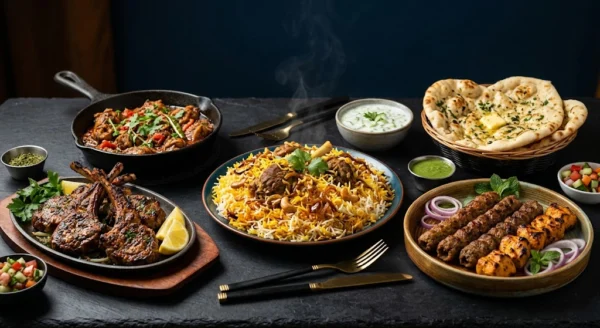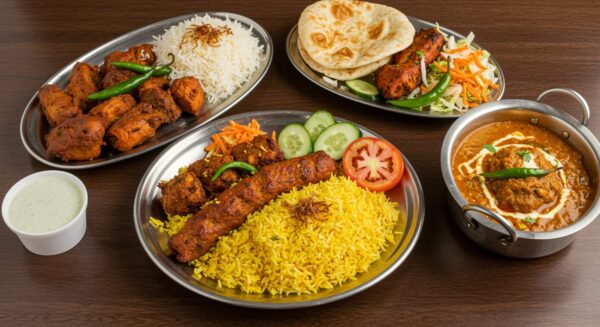
Why is Nihari traditionally eaten for breakfast? Nihari developed a strong connection with morning meals because cooks could prepare the slow-cooked dish over many hours and serve it when people began their day. Its rich gravy, tender meat, warm spices, fresh garnishes, and naan also make it a hearty and satisfying meal.
Today, people enjoy Nihari at many different times of day. However, its association with breakfast remains an important part of the dish’s culinary tradition.
If you are discovering Pakistani cuisine, this guide explains why people eat Nihari for breakfast, how the tradition developed, what people eat with Nihari, and whether you need to eat it in the morning to enjoy it authentically.
Is Nihari Traditionally a Breakfast Food?
Yes. Nihari has a long association with breakfast and morning meals in the Indian subcontinent, although people now enjoy it throughout the day.
Its slow-cooking method helped shape this tradition. Cooks could prepare the meat and gravy over an extended period, allowing the flavors to develop while the meat became tender.
By morning, diners could enjoy a hot and substantial meal with fresh bread and garnishes.
If you are new to the dish, our What Is Nihari? guide explains its basic ingredients, characteristics, and culinary background.
Why Do People Eat Nihari in the Morning?
Several characteristics help explain Nihari’s traditional connection with breakfast.
First, Nihari requires time to develop its characteristic tenderness and gravy. Long cooking naturally suited a dish that cooks could prepare ahead of a morning meal.
Second, Nihari provides a hearty combination of meat, gravy, bread, and garnishes. That made it well suited to people who wanted a substantial meal at the beginning of the day.
Finally, food traditions often continue long after lifestyles change. Even though modern diners can order Nihari for lunch or dinner, many people still connect it with leisurely breakfasts and weekend meals.
What Does the Word Nihari Mean?
The name Nihari is commonly connected to the idea of morning or daytime, reflecting the dish’s historical association with morning eating.
However, food history can become complicated as dishes travel between cities, communities, and generations. Rather than treating one simple origin story as the complete history of Nihari, it is more useful to understand that the dish developed within the broader culinary traditions of the Indian subcontinent and later became especially prominent in Pakistan.
Was Nihari Cooked Overnight?
Traditional Nihari preparation often involved long, slow cooking, which made overnight preparation practical for a morning meal.
The extended cooking time allows tough cuts of meat to soften and gives the gravy time to develop its characteristic depth.
That relationship between long cooking and morning serving helps explain why people came to associate Nihari so strongly with breakfast.
Our guide on why Nihari is cooked slowly explores the cooking process in greater detail.
Why Does Nihari Need Slow Cooking?
Slow cooking helps transform the meat and gravy together.
As the meat cooks, it becomes more tender. At the same time, the spices, meat, and other ingredients contribute to a richer and more developed gravy.
This process creates the texture and flavor that people expect from Nihari. Simply cooking the dish quickly at high heat would produce a different result.
What Does Breakfast Nihari Taste Like?
Nihari has a rich, savory, aromatic, and deeply seasoned flavor. The tender meat and gravy provide the foundation, while fresh garnishes can change the character of each bite.
Ginger adds a fresh aromatic sharpness. Lemon brings acidity that balances the richness. Green chilies can increase the heat, while fresh herbs add another layer of freshness.
If you want a detailed flavor breakdown, read What Does Nihari Taste Like?.
What Do People Eat With Nihari for Breakfast?
Bread makes one of the most natural partners for Nihari. Warm naan allows diners to scoop up both the tender meat and flavorful gravy.
Fresh ginger, lemon, herbs, and green chilies commonly accompany the dish and allow diners to adjust each bite according to personal preference.
A first-time diner can start with Nihari and naan, taste the base flavor, and then experiment with different garnishes.
Why Is Naan So Popular With Nihari?
Naan works particularly well because Nihari contains a generous amount of gravy.
A piece of warm naan can hold the meat and absorb some of the gravy at the same time. This creates a combination of soft bread, tender meat, spices, and rich sauce in one bite.
For someone trying Nihari for the first time, naan provides one of the easiest ways to experience the dish.
Why Do People Add Ginger and Lemon to Nihari?
Nihari has considerable richness, so fresh ingredients create contrast.
Thin pieces of ginger provide sharp aromatic flavor, while lemon adds acidity and brightness. These ingredients do not simply decorate the dish. They can noticeably change its taste.
Green chilies serve another purpose: they allow diners to increase the heat without requiring everyone at the table to eat an equally spicy bowl.
Is Nihari Too Heavy for Breakfast?
That depends on personal eating habits.
Someone accustomed to a light breakfast may consider Nihari a substantial morning meal. However, traditional breakfast foods vary considerably across cultures. A hearty breakfast can include meat, bread, lentils, rice, or other filling foods depending on the region and tradition.
You also do not need to eat Nihari for breakfast simply because of its historical association with morning meals.
Can You Eat Nihari for Lunch?
Yes. You can enjoy Nihari for lunch.
Modern restaurant dining does not require diners to follow the dish’s traditional breakfast association. Many people enjoy Nihari whenever it fits their schedule.
Its combination of meat, gravy, naan, and garnishes works just as naturally for a midday meal.
Can You Eat Nihari for Dinner?
Yes. Nihari also works well as a dinner dish.
Families and groups can serve it alongside biryani, Pakistani BBQ, karahi, kebabs, and other dishes to create a larger shared meal.
Therefore, calling Nihari a traditional breakfast food does not mean it belongs exclusively to breakfast.
Is Nihari a Pakistani Breakfast?
Nihari has historical roots in the Indian subcontinent and became deeply embedded in Pakistani food culture. Today, many people strongly associate Nihari with Pakistani cuisine.
In Pakistan and Pakistani communities abroad, people may enjoy Nihari as a special breakfast, weekend meal, lunch, dinner, or restaurant dish.
For a broader look at the relationship between these culinary traditions, read our Pakistani vs Indian Food guide.
Is Nihari the Same Type of Breakfast as Halwa Puri?
No. Both have strong connections with Pakistani breakfast culture, but they create completely different meals.
Nihari centers on slow-cooked meat and rich savory gravy, usually paired with bread and fresh garnishes.
Halwa Puri combines sweet halwa and fried puri with savory accompaniments such as Chana and Aloo Tarkari.
Someone exploring traditional Pakistani breakfast foods should try both because they represent very different flavors and textures.
Nihari vs Halwa Puri: Which Should a First-Time Diner Try?
Choose Nihari if you enjoy tender meat, savory gravy, aromatic spices, and naan.
Choose Halwa Puri if you want to experience a combination of sweet and savory breakfast flavors with fried bread.
Neither choice represents every Pakistani breakfast tradition. Trying both gives you a broader introduction to Pakistani food culture.
Is Nihari Only Popular in Pakistan?
No. Nihari’s history extends across the Indian subcontinent, and migration has carried the dish to communities around the world.
Today, restaurants and home cooks serve different versions of Nihari in Pakistan, India, the United States, the United Kingdom, the Middle East, and other places with South Asian communities.
Recipes can vary, but the combination of slow-cooked meat, flavorful gravy, spices, bread, and fresh garnishes remains central to many versions.
What Is Nalli Nihari?
Nalli Nihari includes marrow bone, which can add another layer of savory richness to the dish.
The marrow changes the eating experience, but the dish still maintains the core characteristics people associate with Nihari.
If you are deciding between the two styles, read our Nalli Nihari vs Regular Nihari guide.
Is Nihari a Good Pakistani Dish for Beginners?
Yes, particularly for people who already enjoy slow-cooked meat, rich stews, savory gravy, warm spices, and fresh bread.
Nihari introduces several elements of Pakistani dining in one meal: slow cooking, aromatic seasoning, bread pairing, fresh garnishes, and shared dining.
If you want to explore beyond Nihari, our guide to what to order at a Pakistani restaurant for the first time covers 12 dishes worth trying.
Where Can I Try Nihari in Villa Park?
If you want to experience Nihari around Villa Park, Shahi Nihari & Chopsticks serves Pakistani Nihari at 541 W North Ave, Villa Park, IL 60181.
The restaurant uses HFSAA Certified Halal meat and offers Pakistani cuisine alongside Indian and Indo-Chinese selections.
Check the current Nihari menu before visiting for current selections and availability.
Frequently Asked Questions About Nihari for Breakfast
Why is Nihari traditionally eaten for breakfast?
Nihari developed a strong association with breakfast because its long, slow cooking process suited preparation over many hours before a morning meal. Its meat, rich gravy, bread, and garnishes also create a hearty meal.
Is Nihari a breakfast food?
Nihari has a traditional association with breakfast and morning meals, but people now enjoy it at different times of day.
Was Nihari traditionally cooked overnight?
Long, slow cooking made overnight preparation practical for serving Nihari in the morning. Cooking traditions and methods can vary between households and restaurants.
Can I eat Nihari for lunch?
Yes. Nihari can be enjoyed for lunch even though the dish has a historical association with breakfast.
Can I eat Nihari for dinner?
Yes. Many diners enjoy Nihari for dinner, especially as part of a shared meal with naan and other Pakistani dishes.
What do people eat with Nihari for breakfast?
People commonly enjoy Nihari with naan and fresh garnishes such as ginger, lemon, herbs, and green chilies.
Is Nihari very spicy?
Not necessarily. Nihari uses aromatic spices for flavor and warmth, while the amount of chili heat can vary by preparation.
Is Nihari a Pakistani dish?
Nihari has historical roots in the Indian subcontinent and later became deeply associated with Pakistani cuisine and food culture.
What is the difference between Nihari and Halwa Puri for breakfast?
Nihari centers on slow-cooked meat and savory gravy, while Halwa Puri combines sweet halwa and fried puri with savory accompaniments such as Chana and Aloo Tarkari.
Where can I try Pakistani Nihari in Villa Park?
Shahi Nihari & Chopsticks serves Pakistani Nihari at 541 W North Ave, Villa Park, IL 60181. Check the current menu and availability before visiting.
Discover the Tradition Behind Pakistani Nihari
Nihari’s connection with breakfast reflects the relationship between slow cooking, morning meals, hearty food, and South Asian culinary tradition.
Its tender meat, savory gravy, aromatic spices, warm naan, ginger, lemon, and chilies create a meal that can feel especially satisfying in the morning. However, modern diners can enjoy Nihari for breakfast, lunch, or dinner.
If you are exploring Pakistani cuisine around Villa Park or Lombard, visit Shahi Nihari & Chopsticks or browse the current menu.