People often ask, “Indian vs Pakistani Cuisine — what’s the real difference?” At first glance the two cuisines look similar: shared spices, overlapping dishes, and centuries of common history. But dig a little deeper and you’ll find clear differences in ingredients, cooking techniques, religious influences, and how dishes are presented and eaten. This guide breaks down the main distinctions and points you to where you can taste authentic examples — including trusted local spots like Shahi Nihari & Chopsticks in the Chicago area.
Short answer: roots are shared, flavours and focus differ
Both Indian and Pakistani cuisines evolved from the Indian subcontinent and the Mughal culinary tradition, so many base spices and techniques overlap. Still, the differences become obvious when you look at what is emphasized:
- Pakistani cuisine tends to be more meat-centered (beef, lamb, goat) and uses robust, slow-cooked gravies like menus/nihari and menus/haleem.
- Indian cuisine features a wider array of vegetarian dishes, regional uses of coconut, tamarind, and mustard seeds, and a larger diversity of spice blends across states.
1. Protein choices & religious influence
Religion has shaped dietary habits. Pakistan’s majority-Muslim population means many dishes focus on halal meats (including zabiha practices) and beef is commonly used. In India, Hindu dietary customs and vegetarian traditions are stronger in many regions, so you’ll see an expansive vegetarian repertoire and less frequent use of beef. Both cuisines, however, have tremendous regional variation — for instance, coastal India uses lots of fish and coconut.
2. Signature dishes that highlight the difference
Look at signature plates to see distinctions:
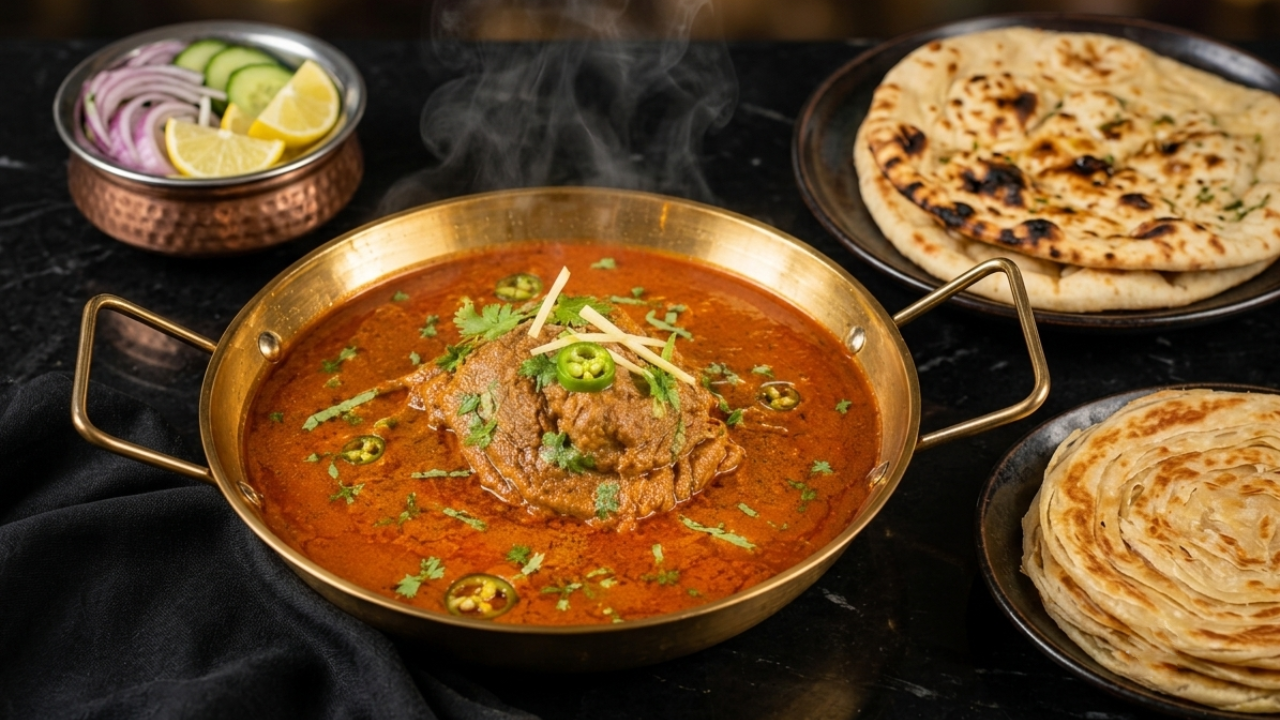
- Nihari — a slow-cooked, marrow-rich stew widely associated with Pakistani households and restaurants; try it at menus/nihari for an authentic experience.
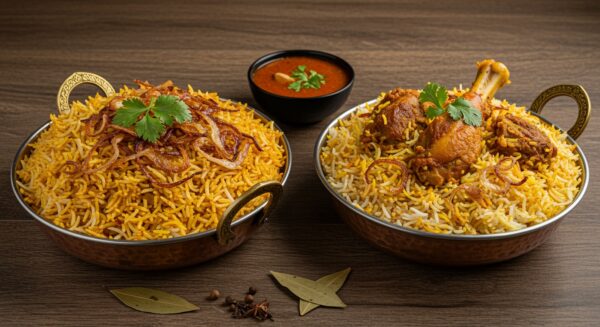
- Biryani — both cuisines celebrate biryani, but styles differ (Lucknowi, Hyderabadi, Karachi, Sindhi). Explore variations in the flavors-of-biryani section.
- Chicken Makhni / Butter Chicken — popular in Indian restaurants, and also widely adopted in Pakistani menus; see a classic version on the menus/chicken-makhni page.
- Haleem — slow-cooked, paste-like stew enjoyed across Pakistan and some Indian regions — a great bridge between the two traditions. See menus/haleem.
3. Spice usage & regional accents
Both cuisines use cumin, coriander, turmeric, garam masala and chili — but the applications differ. Pakistani dishes often layer heavy, meat-friendly spices and long braises that draw out marrow and fat. Indian dishes may use tempering (tadka) for lentils, mustard seeds and curry leaves (especially in southern India). Regional accents — like Kashmiri red chilies or Goan coconut — give Indian food a broader palette of coastal and vegetarian flavours.
4. Cooking techniques and textures
Techniques matter. Pakistani cooking includes slow-roasting, tandoori grills, and long-simmered stews. Indian cuisine showcases pan-frying, tempering, steaming, and slow-simmered dals. Texture-wise, Pakistani dishes often present chunky meat stews with rich gravies, while Indian plates balance vegetables, lentils, and breads in a wider variety of consistencies.
5. Presentation, meals & social context
How food is served also differs. Pakistani meals often center on large, communal platters and meat as the showpiece; you’ll see grand biryanis and headline meat curries at family gatherings. Indian meals often include thalis — multiple small dishes offering contrasting tastes (sweet, sour, bitter, spicy) in one sitting. Both cultures emphasize hospitality and sharing, but the visual layout communicates different culinary priorities.
Where to taste the differences in Chicago
If you live in or visit Chicago, it’s easy to taste the contrasts firsthand. For authentic Pakistani specialities like Nihari, Haleem and rich kebabs, check Shahi Nihari & Chopsticks. Their menus showcase the depth of Pakistani slow-cooked dishes and catering options for events — see catering and pakistani-catering. For broader Indian regional variety — from dosas to Goan fish curries — explore neighborhood restaurants that specifically list regional styles on their menu pages.
Common misconceptions
There are a few myths worth dispelling:
- They’re the same food: Not quite — shared history doesn’t erase distinctive regional evolutions.
- Pakistan = spicy, India = mild: Both cuisines range from fiery to mild depending on region and dish.
- Vegetarian vs meat-only: While India has a strong vegetarian tradition, Pakistan also has vegetarian dishes and India has lots of meaty regional dishes. Context is everything.
Practical tips for choosing between them
If you’re deciding where to eat tonight, consider what you want:
- Craving slow-cooked, marrow-rich meat? Go Pakistani — try menus/nihari.
- Want a variety of small plates and vegetarian options? Look for Indian thali restaurants or places advertising regional specialties.
- Planning a party? Many local providers offer both styles — browse party-hall and catering pages for options and deals.
Experience, expertise & trust — choosing where to eat
To choose authentic experiences, look for establishments with clear menus, longevity, and community recommendations. Restaurants that publish their full menus (like the menus page) and provide catering services often demonstrate experience and expertise. Check reviews and ask about halal or zabiha sourcing for meat if that matters to you.
Conclusion
So, Indian vs Pakistani Cuisine — what’s the real difference? They share a past, but their present shows distinct priorities: Pakistan’s food leans meat-forward, slow-cooked and robust; India’s palette is broader with strong vegetarian traditions and regional diversity. The best way to understand is to taste both. Start with a hearty Pakistani Nihari or Haleem, and follow up with an Indian thali to appreciate the contrast.
Frequently Asked Questions
What is the main difference between Indian vs Pakistani Cuisine?
The main difference is emphasis: Pakistani cuisine often highlights meat and slow-cooked gravies, while Indian cuisine includes broader regional variations and more vegetarian dishes. Both are diverse and overlap significantly.
Are Pakistani and Indian spices the same?
They share many common spices (cumin, coriander, turmeric, chili), but spice blends and their use vary by region and recipe — producing different flavour profiles.
Can I find both cuisines in Chicago?
Yes. Chicago has excellent options for both — for authentic Pakistani slow-cooked dishes check Shahi Nihari & Chopsticks, and for varied Indian regional cuisine search local Indian restaurants that advertise specific state styles.
How should I choose between Pakistani and Indian dishes for an event?
Consider the crowd: if guests prefer meat-heavy mains and bold gravies choose Pakistani-style catering; for diverse tastes including vegetarians, select an Indian menu with multiple small dishes and sides. Many caterers can combine both styles.