If you’ve ever asked yourself “What is Nihari?” you’re in the right place. Whether you’re new to Pakistani cuisine, exploring halal food in Chicago, or simply curious about a hearty, slow-cooked stew, this article gives you an engaging, expert-rooted overview of the dish, its history, how it’s made, and how you can enjoy it — especially if you’re visiting or catering with Shahi Nihari & Chopsticks.
What is Nihari? The Dish Defined
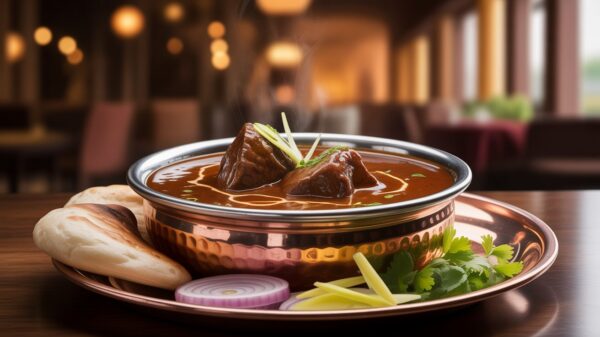
Nihari is a rich, slow-cooked stew traditionally made with beef or mutton (sometimes lamb or goat) that has bones and marrow contributing to the deep, buttery flavour. :contentReference[oaicite:6]{index=6} The word “nihari” is said to derive from the Arabic “nihar” (meaning “morning”), because historically this dish was served early in the day. :contentReference[oaicite:7]{index=7}
What sets it apart is the long, low-temperature cooking in a heavy pot until the meat falls off the bone and the sauce becomes thick and flavourful. In its home country of Pakistan, it is often eaten for breakfast or brunch, especially on special occasions. :contentReference[oaicite:8]{index=8}
Key Ingredients & Flavour Profile
Typical ingredients include bone-in beef shanks or mutton, ghee or clarified butter, aromatic spices (such as cloves, cardamom, cinnamon, ginger, garlic), and optionally bone-marrow for richness. The sauce is usually tomato-based (in some regional versions) or simply a spice-infused gravy. The result: robust, melt-in-the-mouth meat, deep-coloured sauce, and fragrant aroma. :contentReference[oaicite:9]{index=9}
When you try it, you’ll likely notice the following taste elements:
- Deep meatiness with umami and marrow richness.
- A warming spice kick balanced by aromatic depth.
- A silky-smooth, slow-cooked sauce that clings to meat and often pairs with fresh naan or roti.
Why the Dish Matters: Cultural & Historical Context
The history of Nihari is fascinating. It is believed to have originated in the royal kitchens of the Mughal Empire in the Indian subcontinent, and later became a breakfast staple in places like Old Delhi before gaining popularity in Pakistan. :contentReference[oaicite:10]{index=10}
Over time it evolved from an elite dish to a beloved comfort food — especially in Lahore, Karachi and other cities. It is tied to community gatherings, festive occasions, and the social ritual of sharing food. Because of the slow-cooking, it carries a sense of patience and tradition. :contentReference[oaicite:11]{index=11}
Regional Variations
As with many South Asian dishes, there are regional twists to Nihari:
- Some versions include more ghee and bone-marrow for extra richness.
- Others vary the spice-mix – some are milder, some are very hot.
- Serving styles differ: in Pakistan you’ll find it with fresh naan, khameeri roti or paratha for breakfast; whereas in the U.S., you might find it offered at lunch or dinner at halal Pakistani restaurants.
Why It’s Becoming Popular in the U.S.
If you’re curious “What is Nihari?” in the context of the U.S. dining scene, there are a few reasons why this dish is getting more attention:
First, the rise of halal food culture. Many Pakistani and South-Asian restaurants in cities like Chicago are offering truly authentic dishes and catering to both diaspora and curious food lovers. :contentReference[oaicite:12]{index=12}
Second, foodies are drawn to comfort foods with depth of flavour — long-cooked stews, marrow-rich meats, and the “slow-food” feel. Nihari ticks all those boxes.
Third, as dining communities become more adventurous, dishes like Nihari offer a gateway into Pakistani cuisine beyond the more familiar curries and biryanis. Because it’s both comforting and exotic, it appeals to a broad audience.
How to Enjoy Nihari: Tips for First-Timers
Here’s how to get the most out of your first Nihari experience:
- Choose the right place. Look for restaurants that specialise in Pakistani cuisine and emphasise authenticity — for example check the menu under “menus/nihari” on your chosen restaurant site.
- Pair with fresh bread or rice. The ideal accompaniment is naan, paratha, khameeri roti or simply basmati rice so you can soak up the sauce.
- Ask about spice level. If you’re new to the dish, ask for a milder version — you can always add the green chili or chutney on the side.
- Consider time of day. Traditionally breakfast, but many U.S. restaurants serve it lunch or dinner. It’s perfect for a leisurely meal.
- Try it with traditional garnishes. Lemon wedges, chopped coriander, thinly-sliced ginger, and fried onions elevate the dish and bring freshness to the richness.
At Home or Catering
Thinking of enjoying Nihari at home or at an event? Good idea. If you’re planning halal catering, check out services under “catering” and “pakistani-catering”, where dishes like Nihari can be featured on menus for gatherings. The richness of Nihari makes it a memorable dish for special occasions.
What to Order Alongside Nihari
Since you’re already enjoying Nihari, you might want to build a full meal experience. Here are some ideal companions:
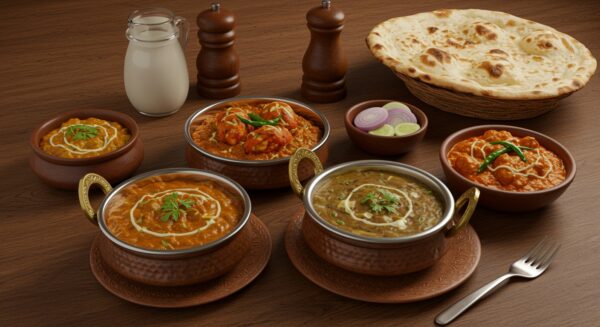
- Haleem. Another slow-cooked dish; hearty and comforting. :contentReference[oaicite:13]{index=13}
- Chicken Makhni. For those who prefer a creamy, milder chicken dish — check the “menus/chicken-makhni” page.
- Fresh roti or paratha. To soak up the gravy and balance textures.
- Vegetable or daal side dish. To add some balance for lighter tastes. :contentReference[oaicite:14]{index=14}
Common Questions & Myths
There are a few things people often wonder when they first encounter Nihari. Let’s clear them up:
- Is Nihari always very spicy? Not necessarily — although it may look deep red and intense, many restaurants offer milder versions or allow you to tone it down.
- Is Nihari only for breakfast? While in Pakistan it is often a morning dish, in the U.S./Western context you’ll find it served at any time of day.
- Is Nihari just beef stew? It’s more than a stew — the cooking technique, marrow inclusion, special spices and traditional bread pairing make it a distinctive dish rooted in culture and ritual. If you ask “What is Nihari?” this is a key point to appreciate.
Why You Should Try Nihari at Shahi Nihari & Chopsticks
At Shahi Nihari & Chopsticks (Lombard), the focus is on authentic Pakistani dishes in a welcoming halal-certified environment. Linking the clear menu item under “menus/nihari”, you’re assured of quality, tradition and the richness that makes Nihari special.
Whether you’re visiting for the first time, hosting a gathering and looking into “hyderabadi-catering” or “mediterranean-catering” options with Pakistani flavour, the dish stands out for its authenticity and crowd-pleasing depth.
Conclusion
So, next time you ask yourself “What is Nihari?” you’ll have the full story: a rich, slow-cooked Pakistani stew rooted in tradition, now finding a welcome place in the U.S. halal dining scene. Whether you’re in Chicago, Lombard or exploring Indian-Pakistani cuisine for the first time, give it a try. You’re not just ordering a dish — you’re tapping into culture, comfort and flavour in one bowl.
Enjoy your first bite — and if you love it, explore more of the menu like “menus/haleem” and other classics. Happy tasting!